PGR Bank
Collectors at a retail chain entered payments by hand, hours after receiving them. The app had to do it right away, with the customer standing there.
Result: Prototype used to refine flows before development
- What
- Banking app for small transactions
- Client
- Paguru
- Role
- Product Designer
- Timeline
- 3 weeks
- Platform
- Mobile
The problem
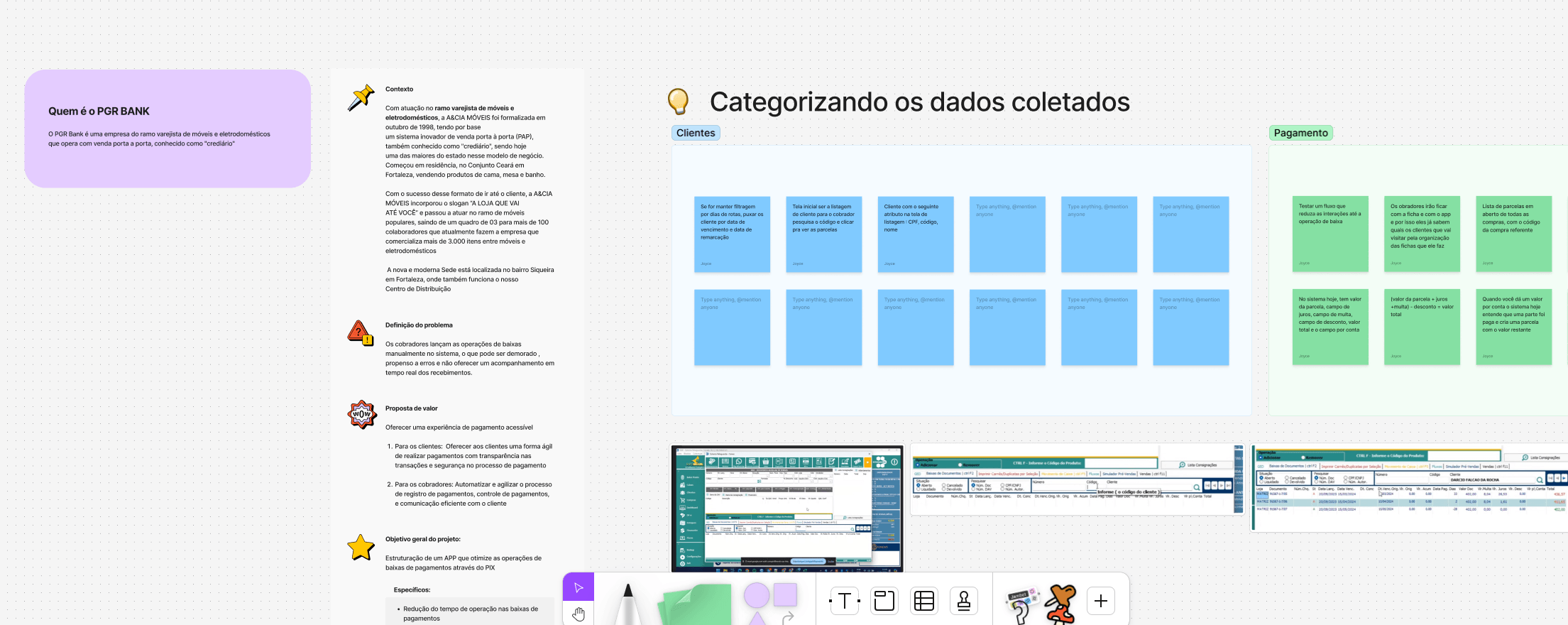
A&CIA Móveis sells door to door, on store credit, with more than 100 employees. Collectors recorded payments manually in the system: it was slow, error-prone, and nobody could track receipts in real time.
The initial request was a payment gateway. In conversations with Paguru, it became clear the problem was bigger: small businesses needed an app that both received money and helped organize it.
- Record on the spot
- Shorten the time between receiving and recording a payment.
- Real-time view
- Track each collector's receipts.
- Trust
- Make the customer feel safe at the moment of paying.
How I got there
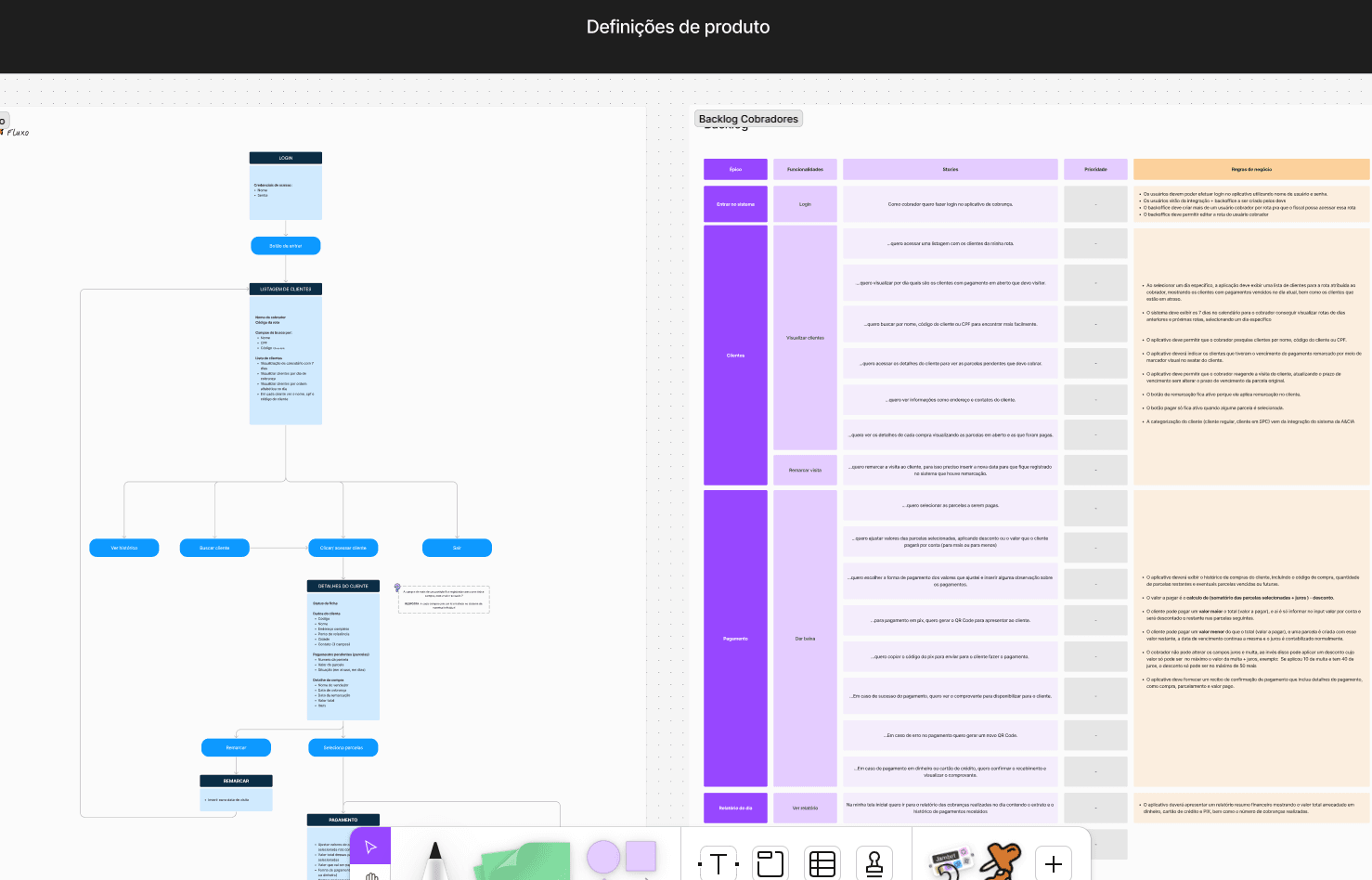
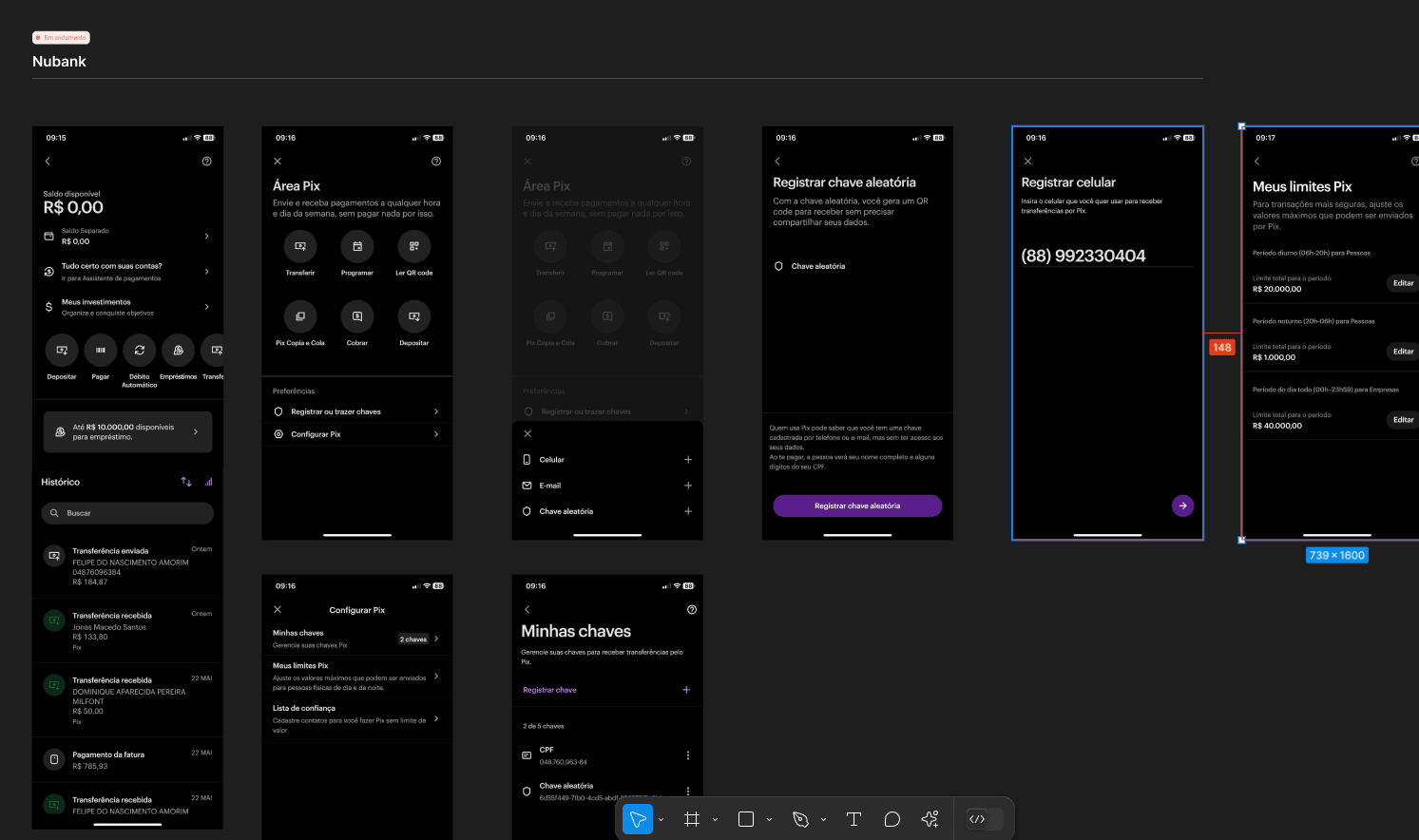
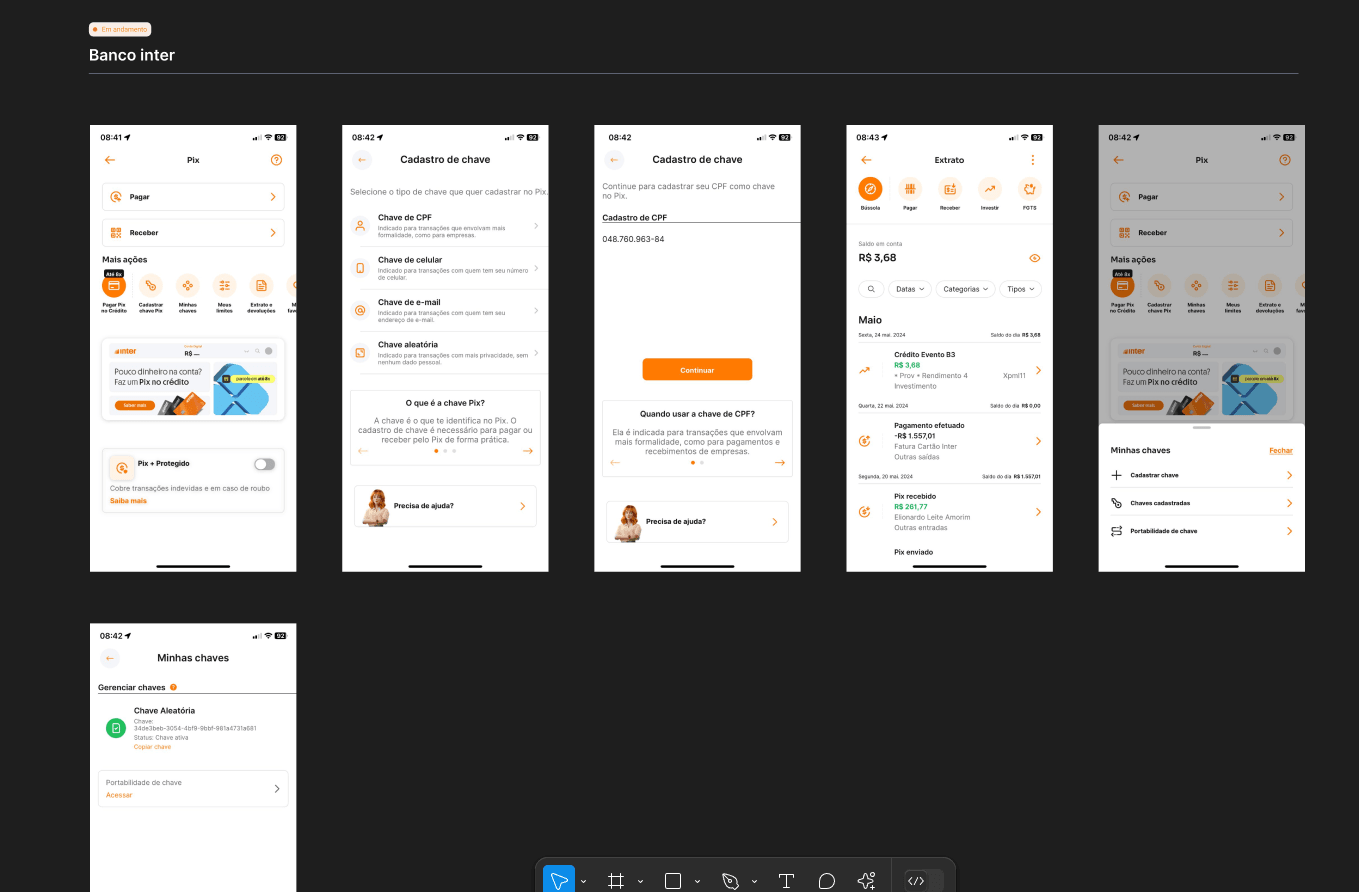
With three weeks, I traded extensive documentation for short cycles: stakeholder interviews, an analysis of Nubank and Inter (transfer, statement and security flows) and design sprints with validation every round.
Low- and mid-fidelity prototypes were tested to validate navigation before moving to high fidelity. The scope grew from a gateway to a digital bank: statements, financial organization and reports became part of the product.
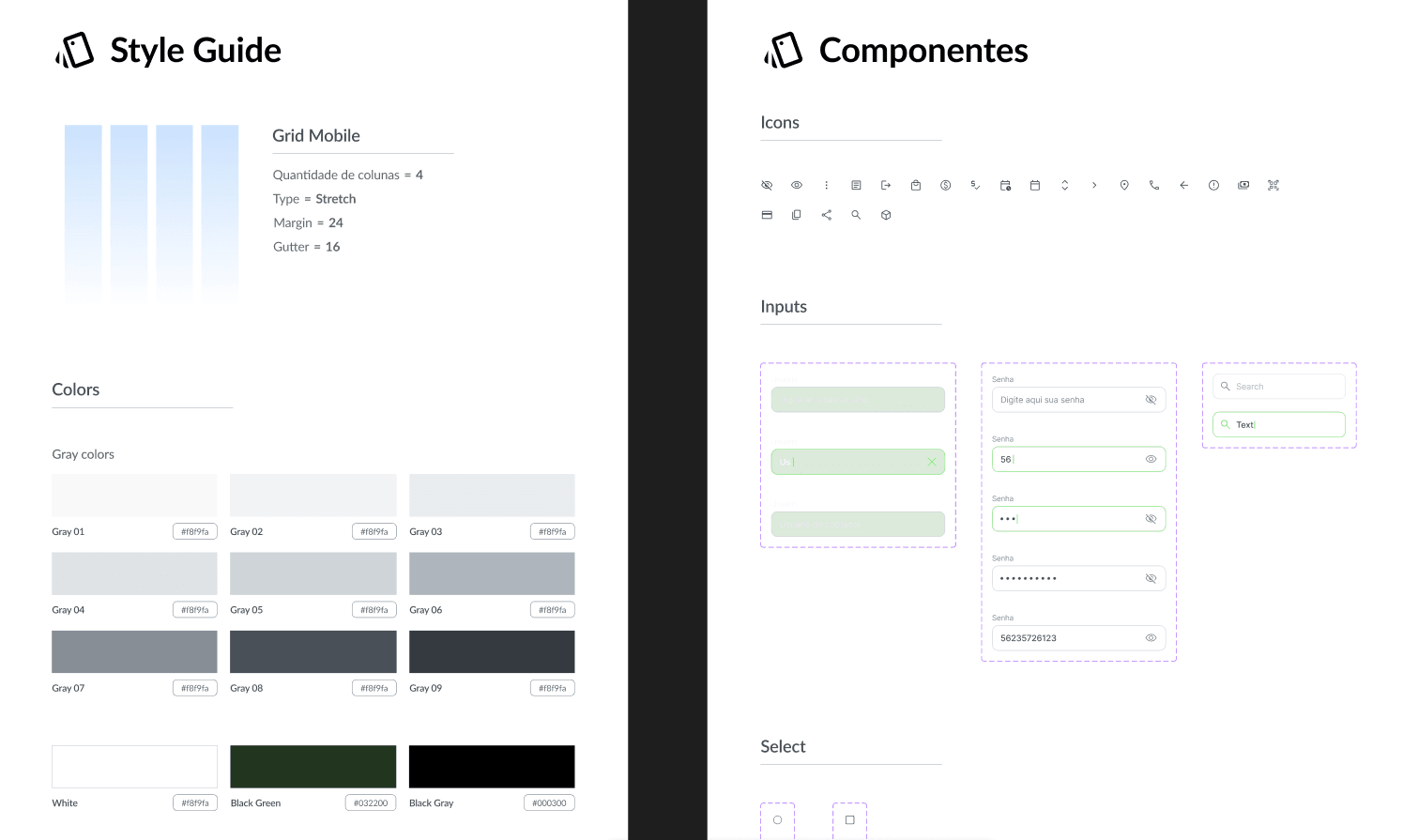
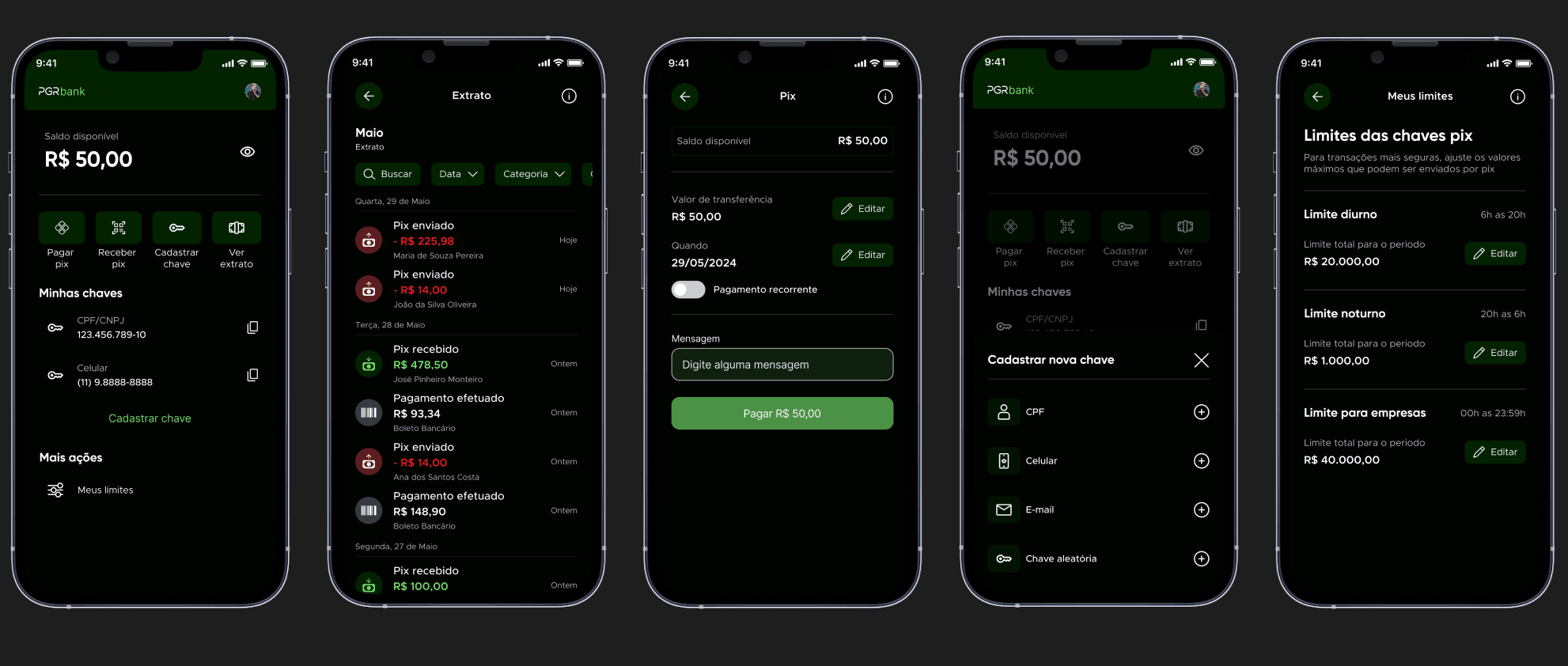
The screens
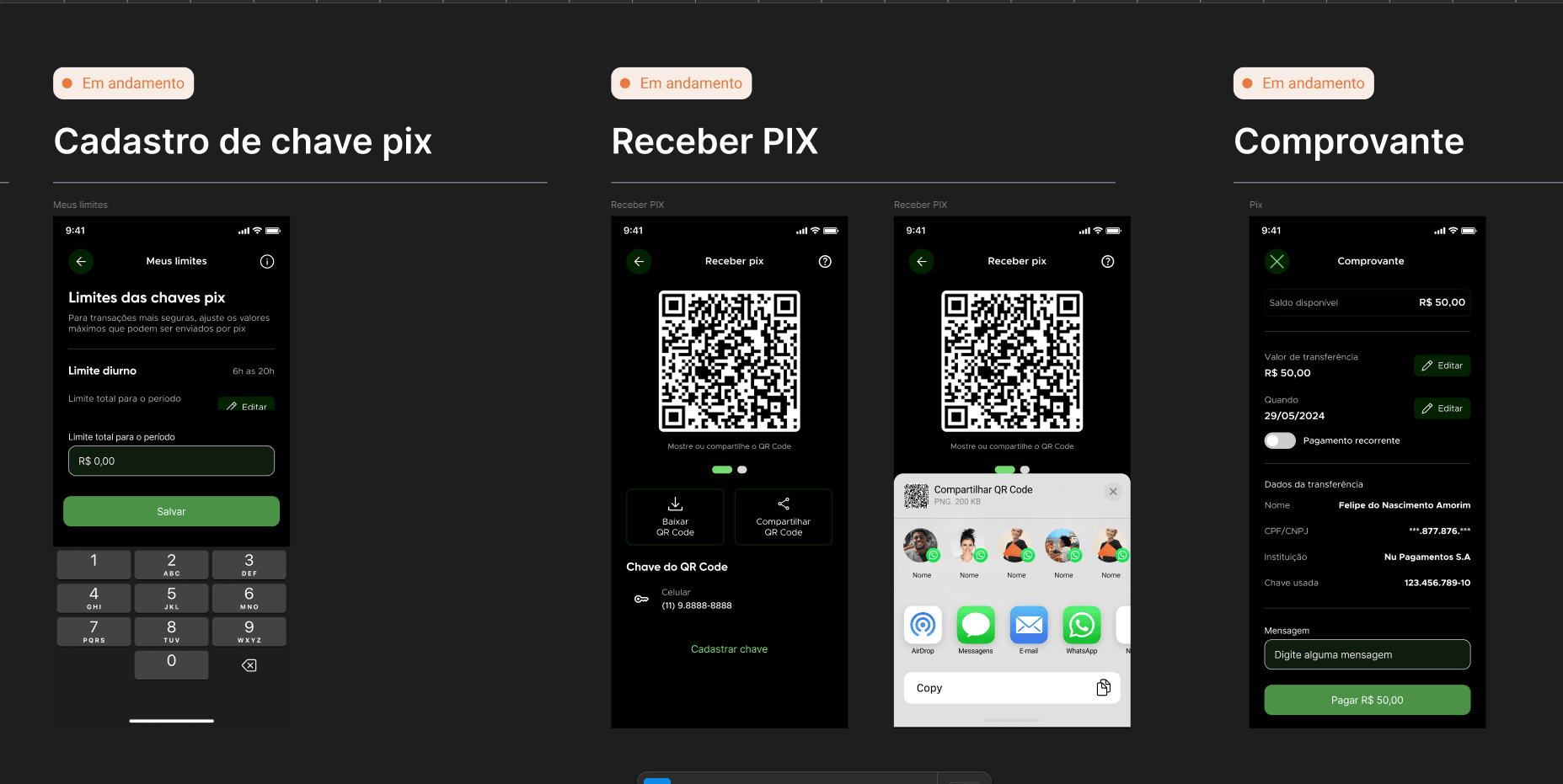
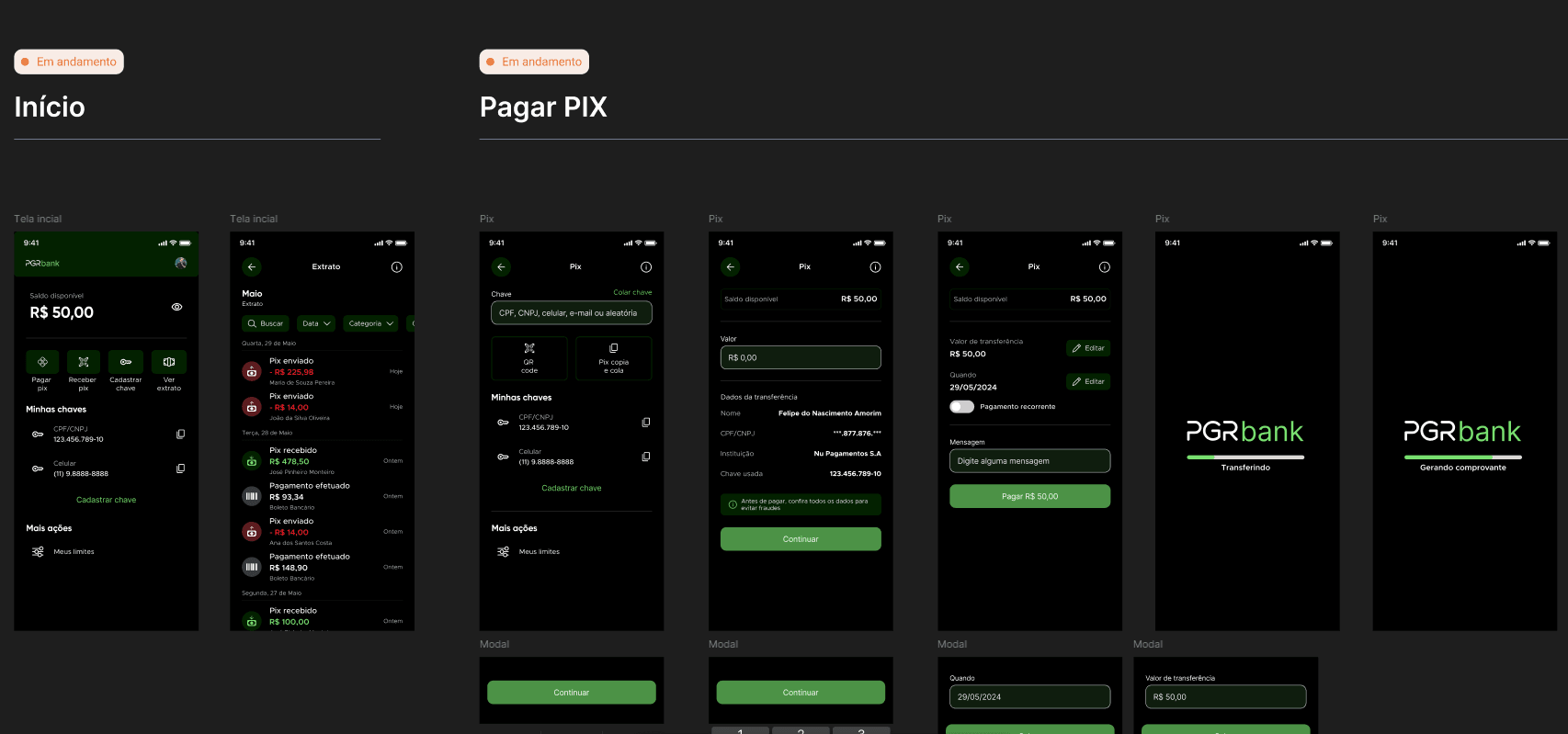
A dark theme with an action green for what matters in a collector's day: receiving via PIX, checking the receipt and following the statement without leaving the flow.
Result
The high-fidelity prototype was presented to stakeholders and used to refine flows before development.
With a tight deadline and little product documentation, daily communication with the team became part of the method. That's what held up the quality.
Have a similar product that's stuck?