Azulou
I took over a half-built ERP, with code being written and almost no design documentation. Before designing any new screen, I had to understand what already existed.
Result: Flows documented for the first time, a foundation for the dev team
- What
- Modular ERP for small businesses
- Client
- Paguru
- Role
- Product Designer
- Timeline
- 3 years
- Platform
- Web and app
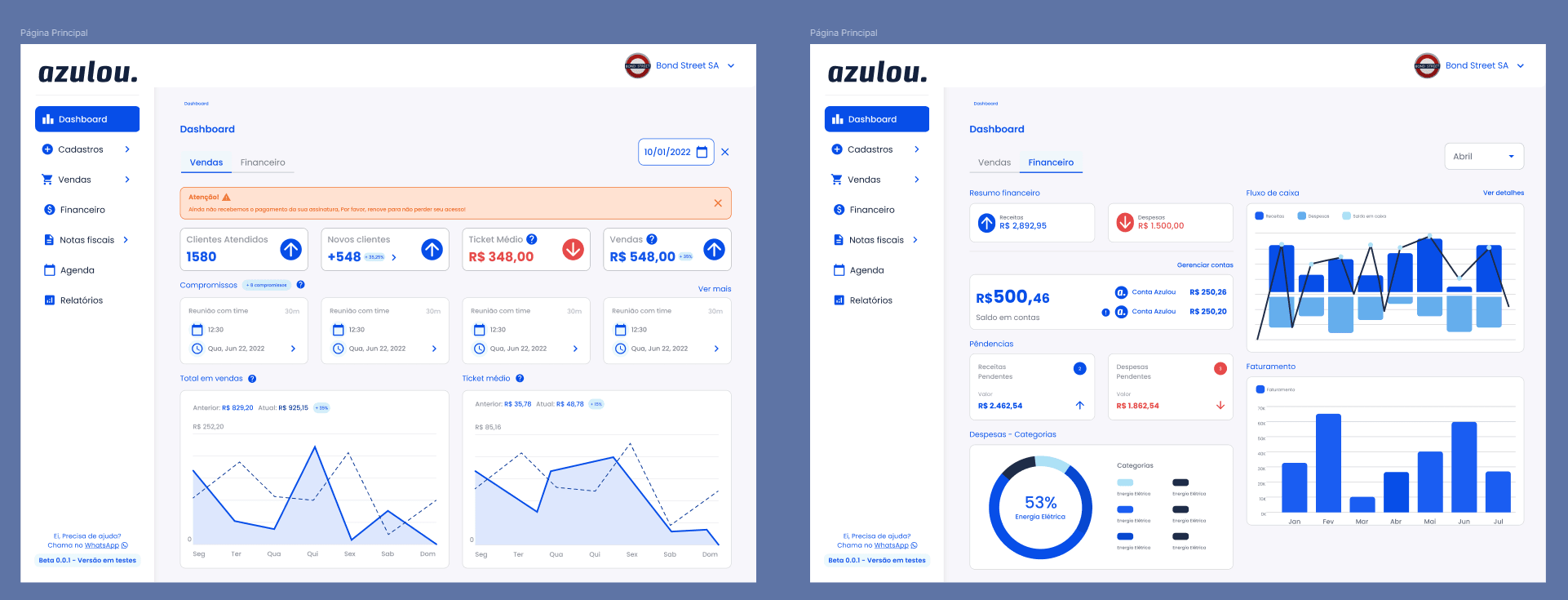
The problem
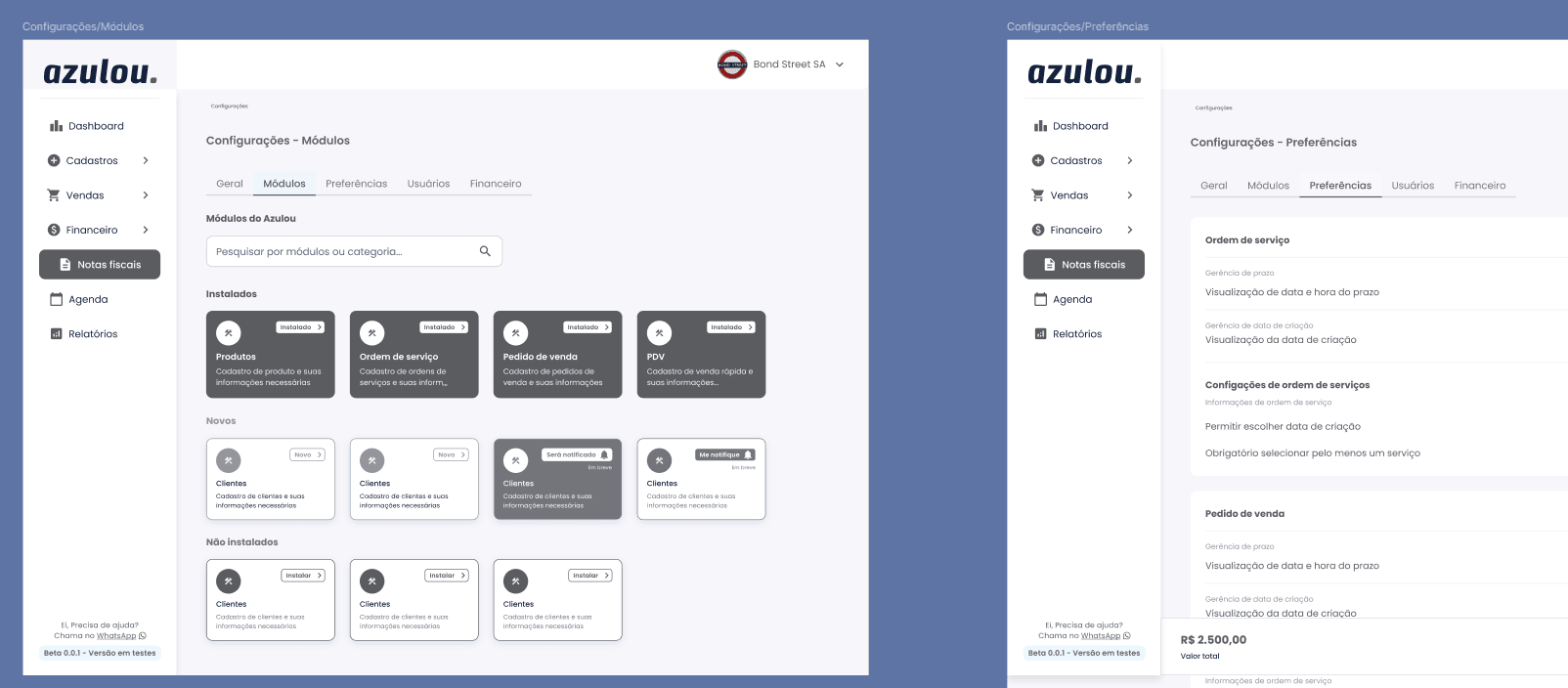
Azulou covers products, services, contacts, POS, work orders, finance and scheduling, with modules customers can install and remove. Development and design ran at the same time, and every customer request pulled the product in a different direction.
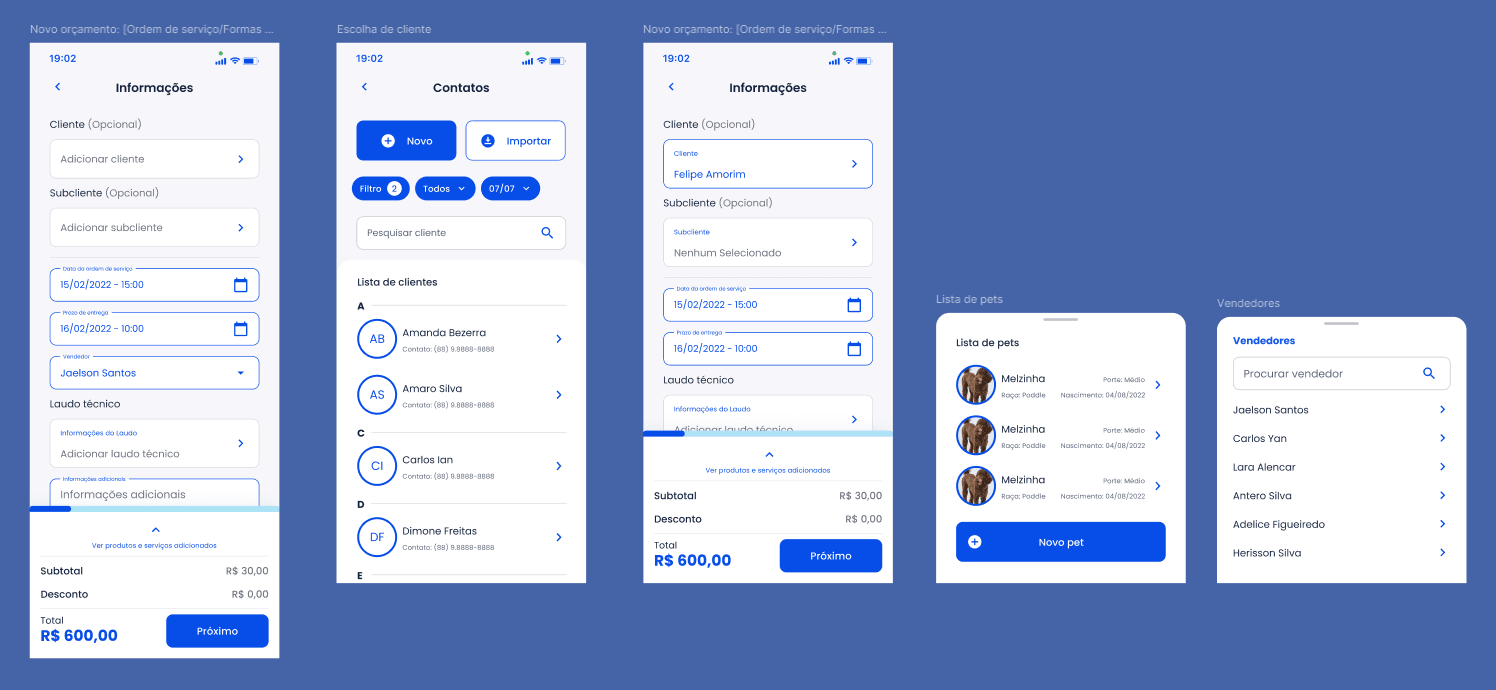
Many of those requests came from pet shops. Specializing brought new rules: the owner is the customer and the pet is a sub-customer, with its own history.
How I got there
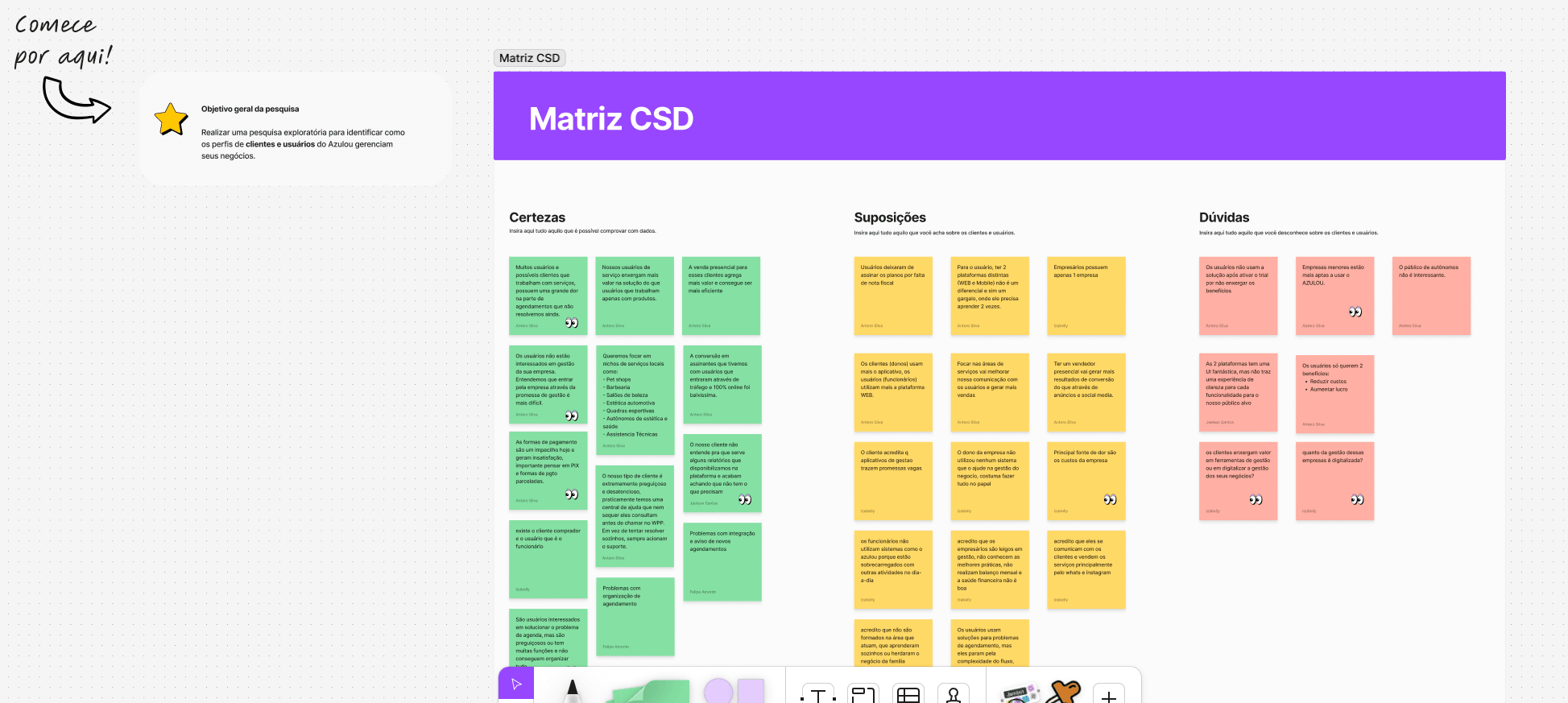
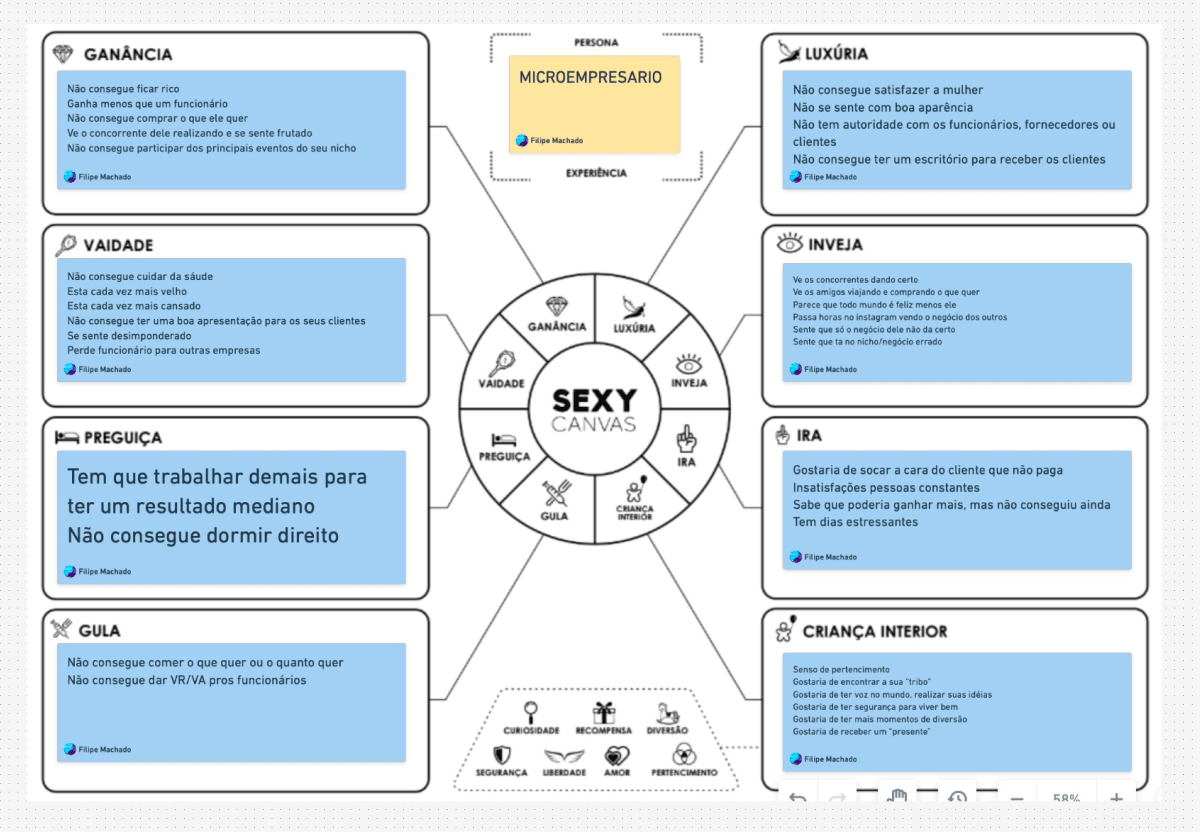
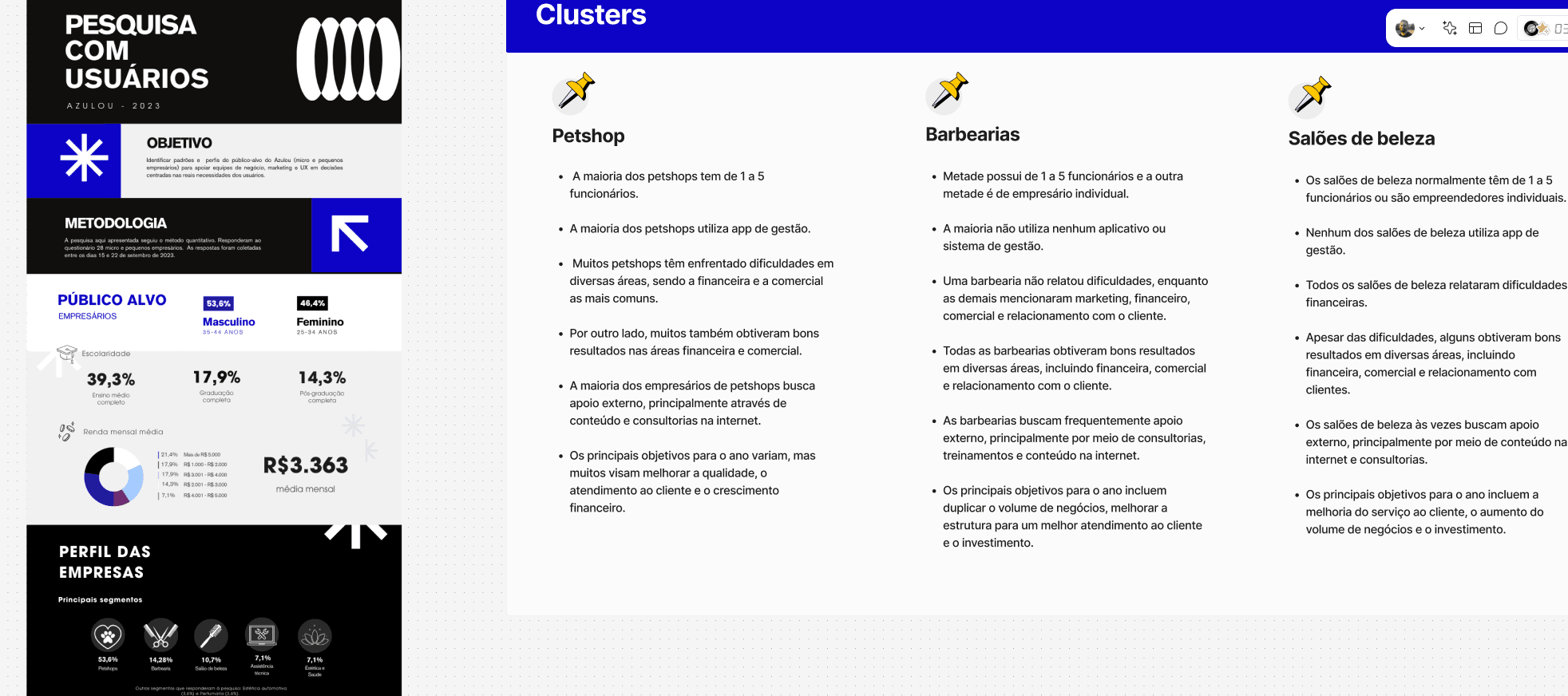
A CSD matrix and Sexy Canvas to align what we knew about the two profiles: the business owner, who decides what each employee can see, and the employee, who runs the day-to-day.
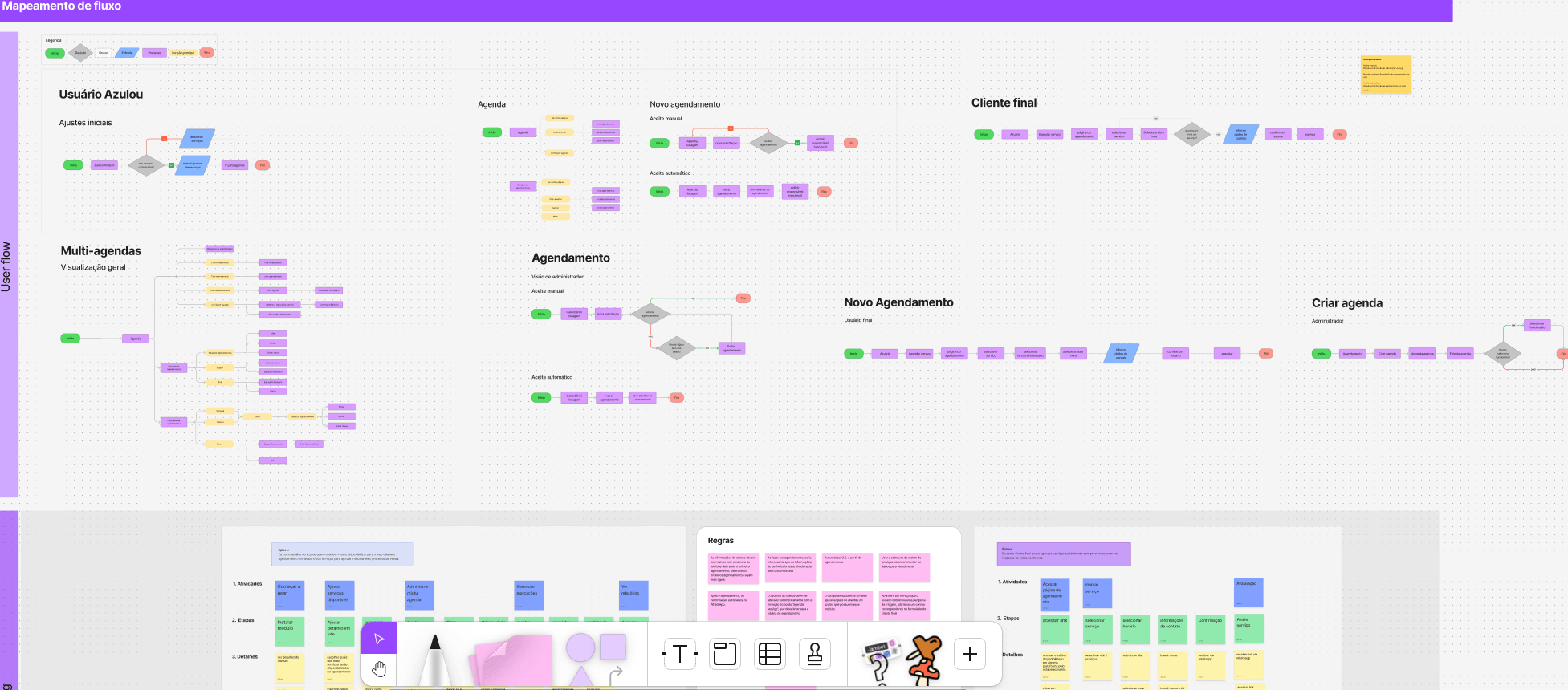
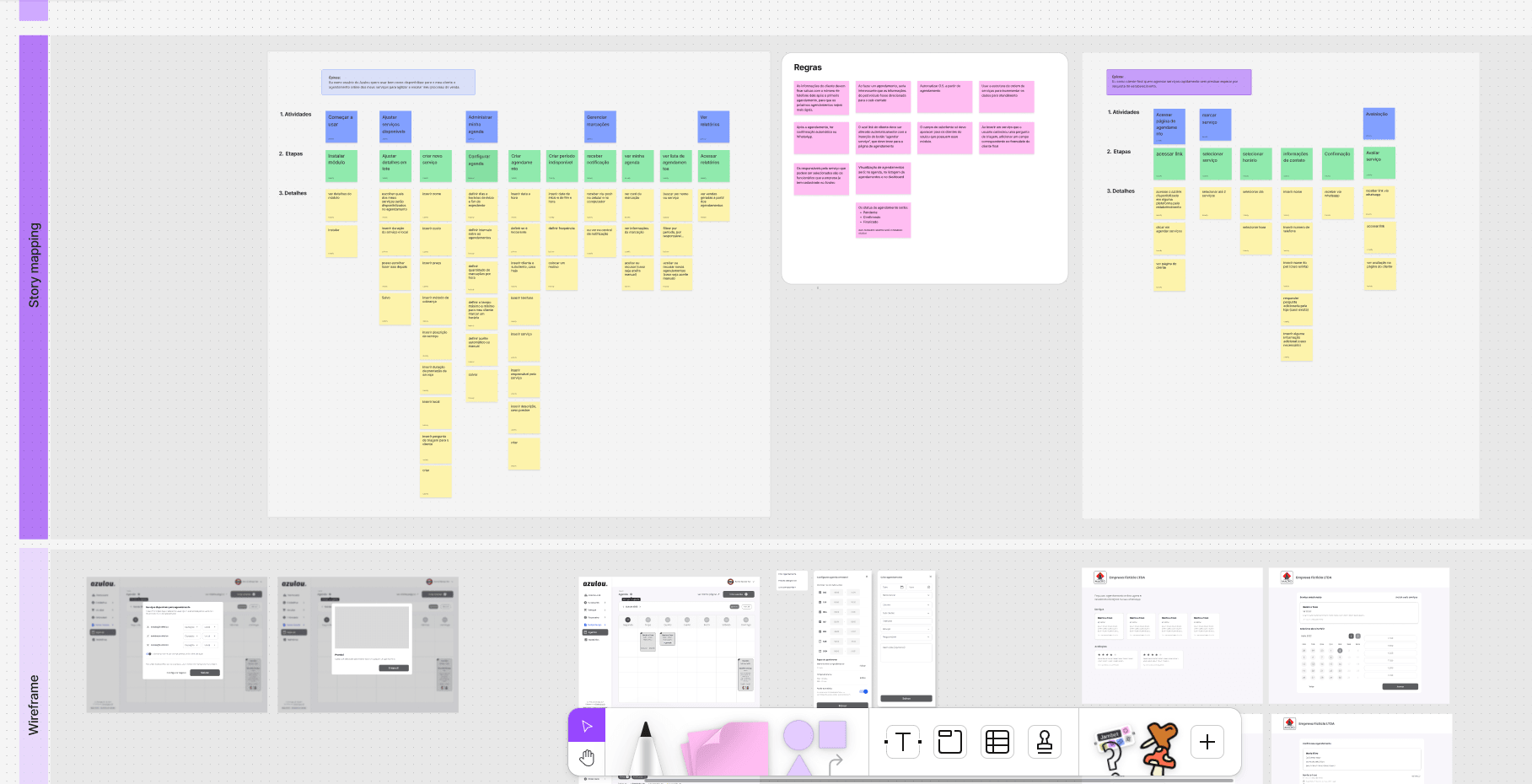
Then, mapping the core flows, prioritized by effort × impact with the stakeholders. In a modular system, a loose rule becomes a bug. That's why each flow got user story mapping with its rules tied down before it went to the screen.
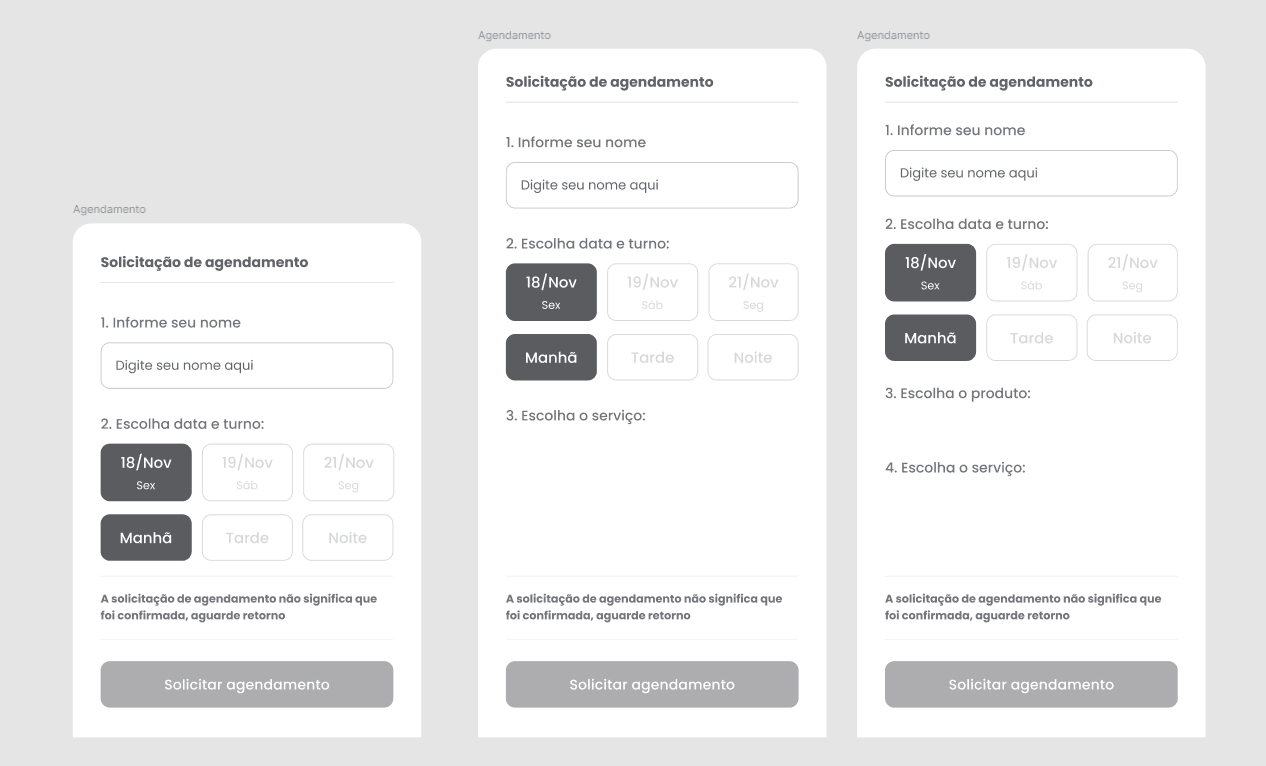
A benchmark of Quaddro, Reservio and Gendo showed the same bottleneck in all of them: customer data typed by hand when booking. Azulou already had the customer base, and that became an advantage.
The product
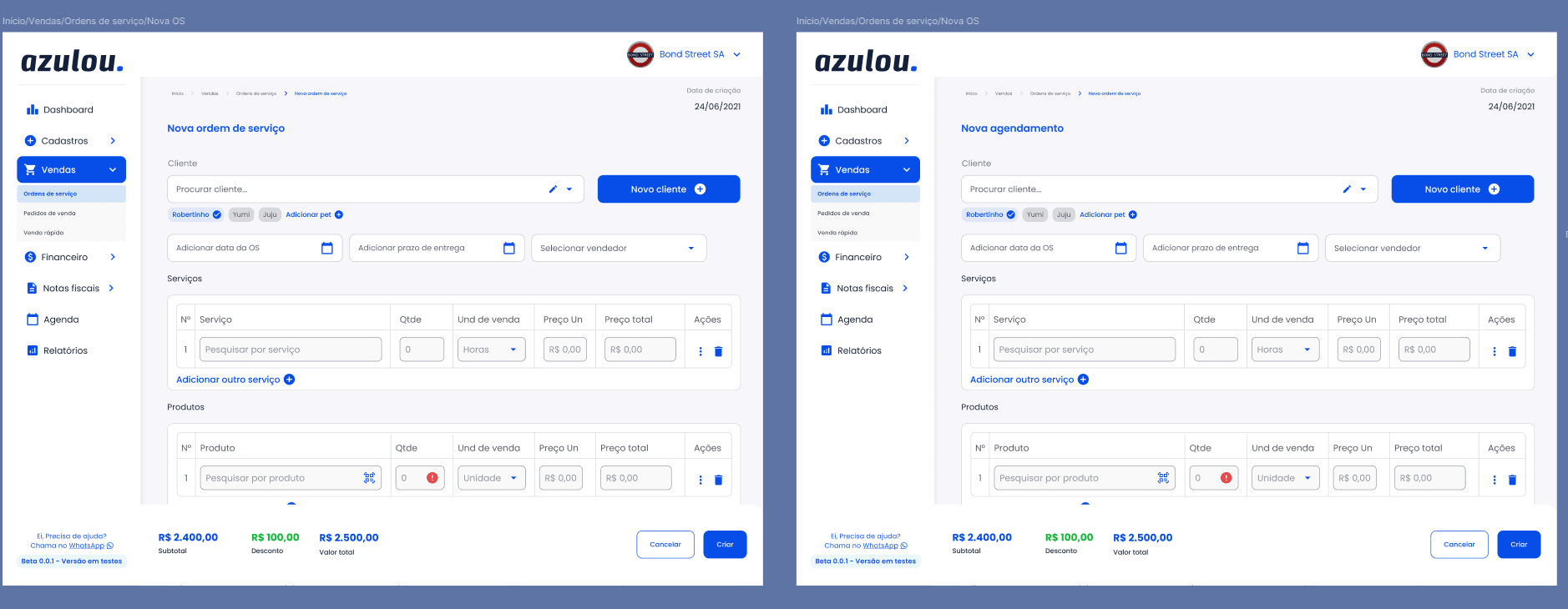
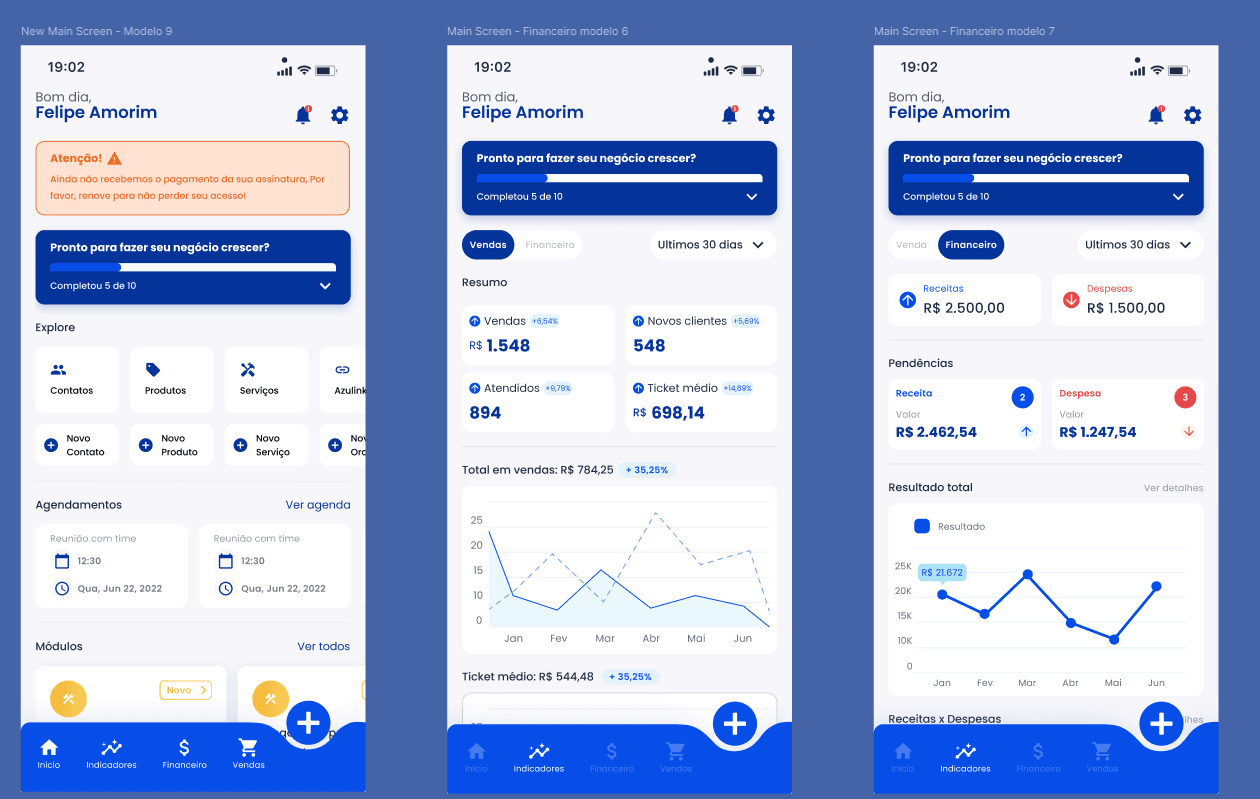
Web and app with the same language: scheduling, sales, finance and reports, with the modules each business chooses to turn on.
Result
Flows documented for the first time, serving as a foundation for the development team and for later iterations.
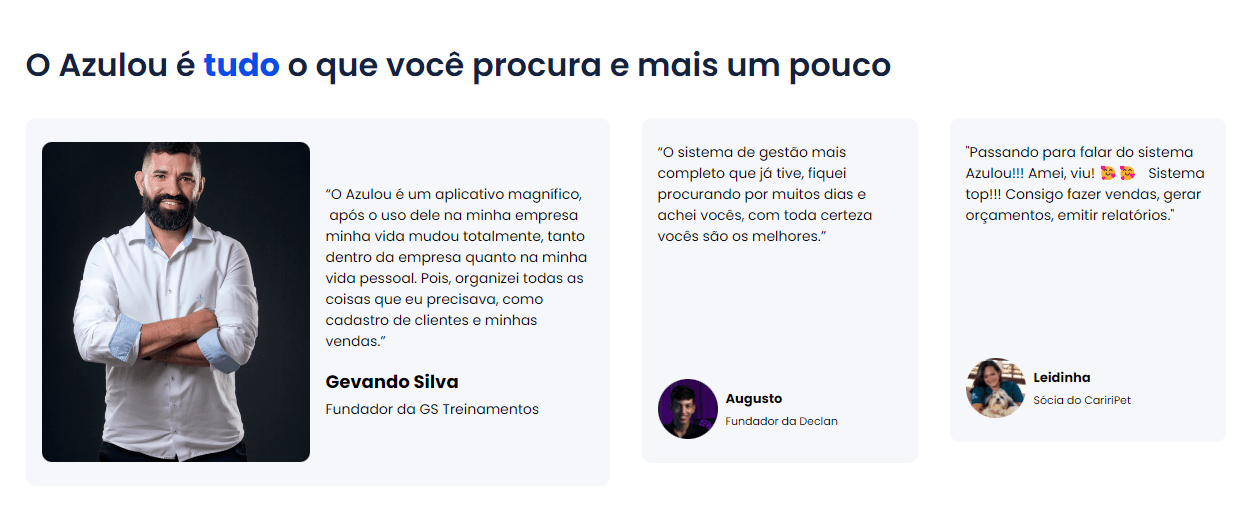
Product repositioned for the pet niche, with an interface and journey designed for both owner and pet.
Have a similar product that's stuck?